
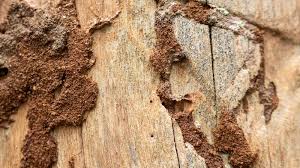
Termites are often called “silent destroyers” for a reason—they can cause significant structural damage before you even realize they’re there. In Australia, termite infestations are a common concern for homeowners, making early detection crucial.
In this blog, we’ll explore the key signs of a termite problem and what steps you should take to protect your property.
1. Hollow-Sounding Wood
If you tap on wooden structures like walls, floors, or furniture and they sound hollow, termites may have eaten away the inside. This is one of the earliest warning signs of an infestation.
2. Mud Tubes Around Your Property
Termites build mud tubes to travel between their colony and food sources while staying protected. These tubes are usually found along walls, foundations, or wooden structures.
3. Discarded Wings
After swarming, termites shed their wings. If you notice small piles of wings near windowsills or doorways, it could indicate a nearby colony.
4. Cracked or Bubbling Paint
Moisture from termite activity can cause paint to bubble or crack. This is often mistaken for water damage but can signal a hidden infestation.
5. Tight Doors and Windows
As termites damage wood, it can warp and affect how doors and windows open or close. If they suddenly become hard to use, termites might be the cause.
6. Clicking Sounds in Walls
Believe it or not, termites can be noisy. Soldier termites bang their heads against wood or shake their bodies when disturbed, creating faint clicking sounds.
What Should You Do Next?
Don’t Disturb the Area
It may be tempting to break open affected wood, but disturbing termites can cause them to relocate and spread further.
Contact a Professional Pest Control Service
Termite infestations require expert treatment. Professionals use specialized tools and treatments to eliminate colonies safely and effectively.
Schedule a Termite Inspection
Regular inspections can help detect termite activity early and prevent costly damage in the future.
How to Prevent Termites
- Keep wood and mulch away from your home
- Fix leaks and reduce moisture
- Ensure proper ventilation in crawl spaces
- Schedule annual pest inspections